Over 85,000 Chinese nationals now live in Zimbabwe. Most are not families seeking to settle or integrate but workers and agents deployed to serve China’s interests. Their presence is not coincidental. It is part of a deliberate strategy to turn Zimbabwe into a key outpost for China’s resource extraction machine. From iron ore and limestone to coal and the best chrome reserves in the world, Zimbabwe has what China wants and they are taking it with speed and precision.
China sees Zimbabwe as a treasure chest of minerals necessary for its industrial expansion. But rather than extract responsibly or build local capacity, they move their most polluting industries here to avoid Western scrutiny and trade barriers. Steel production, chrome smelting and lithium processing are being relocated to Africa not to help Zimbabwe but to shield China from environmental accountability while feeding its unstoppable industrial appetite.
Lithium has become the new gold rush and Zimbabwe sits at the center of it. Every year, the country exports lithium concentrate worth around four billion US dollars. But that figure is misleading. Hidden within the ore are other high-value minerals that are neither measured nor declared. The government’s failure to demand full transparency and accountability turns this into another tale of plunder disguised as partnership. The truth is that Zimbabwe is giving away wealth without building wealth.
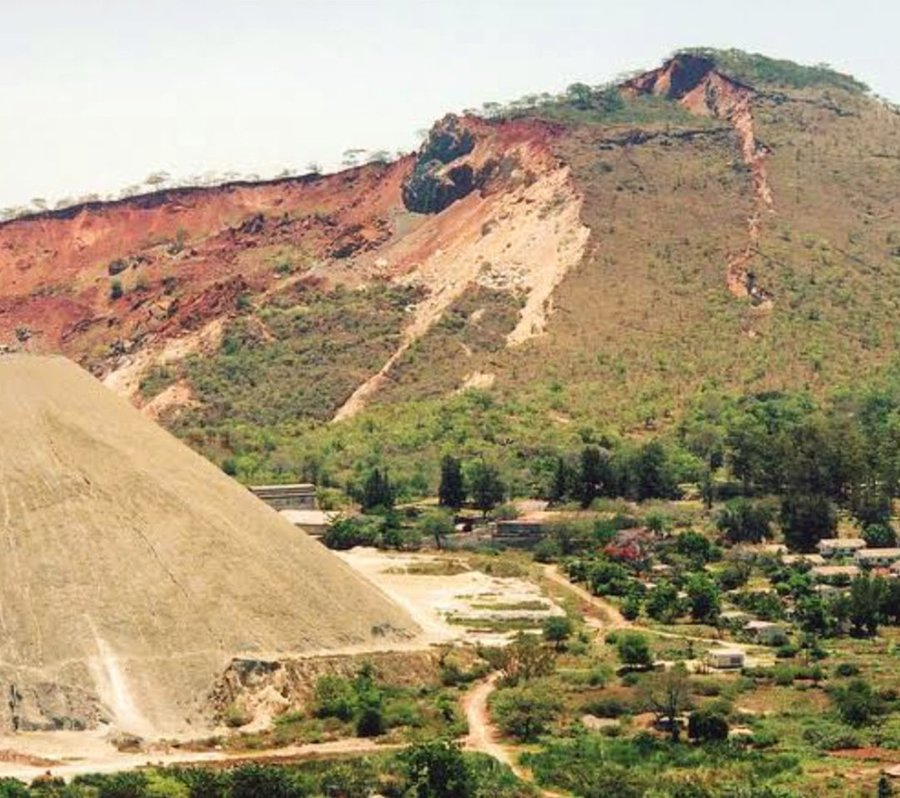
Gold extraction tells the same story. Reports indicate that China takes a quarter of Zimbabwe’s total gold output through secretive deals and toxic mining practices. Rivers are poisoned. Forests are cleared. Landscapes are left looking like battlefields. Environmental laws are either ignored or selectively enforced. Meanwhile, the communities near these mines remain poor, voiceless and forgotten.
The Marange diamond fields were the first warning. Between 2008 and today, diamonds worth thirty billion US dollars have vanished into the pockets of Chinese firms and local elites. Nothing was built in Marange. Roads remain dust trails. Clinics and schools were never constructed. The wealth empowered a few army generals and foreign investors who now live in mansions far removed from the suffering they helped create.
Infrastructure projects funded by China follow the same logic. Power stations, railways and a port in Mozambique are all designed to support Chinese operations. The Hwange Power Station stands as a monument of corruption and inefficiency. Built at an inflated cost, it fails to power the nation but increases electricity costs for locals. At the same time, Chinese firms are quietly building their own power plants to support their operations, securing cheap coal from Zimbabwe while leaving the people in the dark.
Instead of exporting finished products, Zimbabwe continues to ship raw materials like steel billets and lithium concentrate to China. There is no serious push for value addition. No steel mills. No lithium battery plants. No industrial hubs. The government has allowed this and continues to pretend it is investment. In truth, it is extraction without benefit.
The Belt and Road Initiative is often sold as a gift of development. But what it has left behind across Africa are overpriced projects, debt traps and broken promises. Kenya, Ethiopia and now Zimbabwe are learning the hard way that not all partnerships are equal. And not all roads lead to freedom.
Western disengagement has created a vacuum that China has filled. But that does not mean we must bow down. Zimbabweans must demand contracts that include value addition. They must insist on environmental safeguards and local employment. They must call for an end to corruption and secrecy.
Zimbabwe is not poor. It is plundered. And until we say no more, the looting will continue. China did not come to help. It came to harvest. The time has come to take back control and ensure Zimbabwe’s resources build Zimbabwe’s future. The clock is ticking.
About The Author
