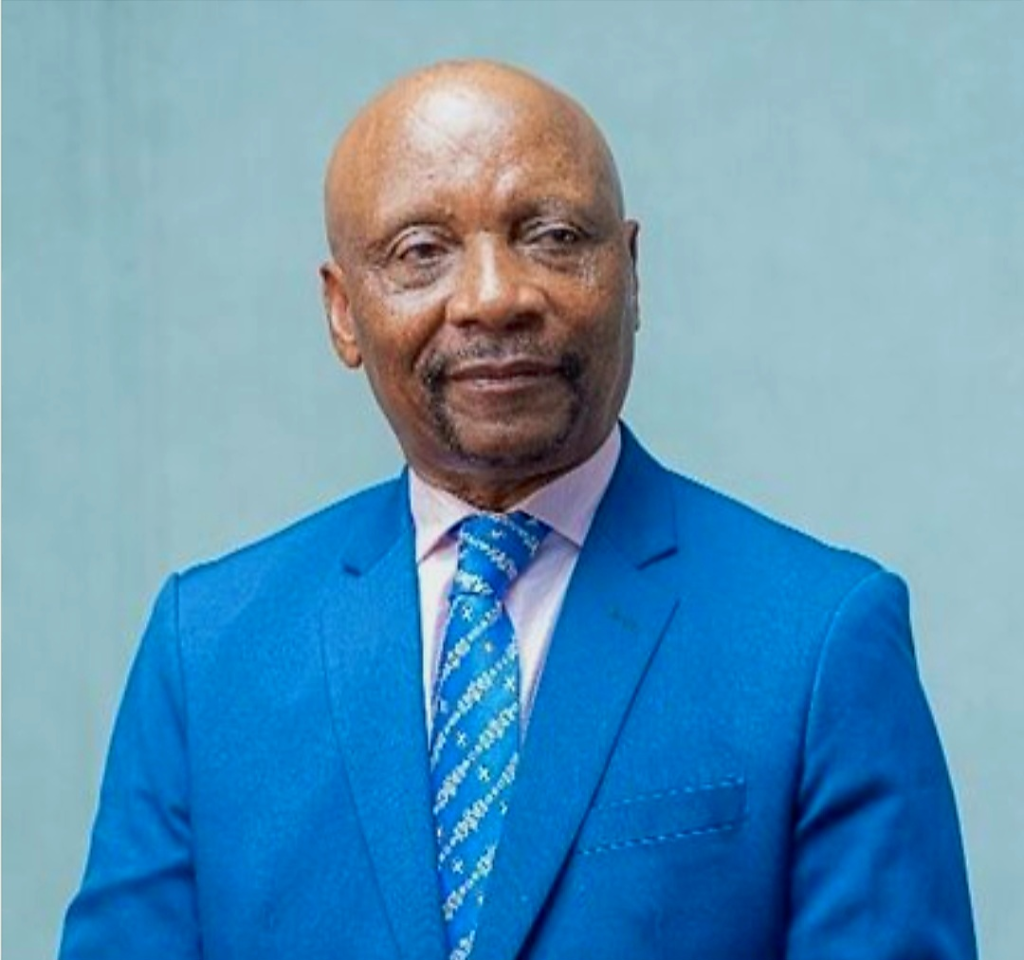
Emmanuel Fundira, the chairman of the National Social Security Authority, has been thrust into the spotlight for all the wrong reasons. At the center of a growing scandal that now threatens both his career and the credibility of the institutions he leads, Fundira faces allegations of aiding an extortion scheme aimed at manipulating the share price of the Rainbow Tourism Group. What was once a respected businessman now stands accused of leveraging his insider access for personal and political gain.
Fundira’s alleged accomplice is Paula January, a former RTG executive who was dismissed in 2019 following a tragic incident at the Kadoma Hotel and Conference Centre. Since then, January has resurfaced as a central figure in what police are calling a calculated campaign of threats, blackmail and corporate sabotage. Audio recordings paint a damning picture. January is heard demanding money or reinstatement while threatening to unleash the Zimbabwe Anti Corruption Commission on RTG’s top brass. She accuses them of fraud and money laundering, claiming these crimes took place during a Dubai meeting years ago.
What ties this all back to Fundira is the information pipeline. As NSSA chairperson, he had full access to RTG’s internal data. Police now suspect that he supplied January with sensitive company information which she weaponised in her threats. In one of the leaked audios, January directly references Fundira while discussing RTG salaries and allowances. This has sparked outrage, with critics saying Fundira violated his fiduciary duties and acted purely out of self-interest. His past role as chairman of African Sun Limited should have made him more cautious about potential conflicts, but instead it appears he continued to entangle himself in corporate intrigue.
The motive is as old as greed itself. RTG, though currently underperforming, holds immense value in the hospitality sector. With NSSA planning to offload 56 percent of its 91.6 percent stake to meet stock exchange requirements, there is now widespread belief that Fundira and his allies were deliberately undermining RTG’s market value in order to scoop up shares at bargain prices. The economic sabotage, if proven, is not just unethical but borders on criminal.
January’s tactics have only added fuel to the fire. After her threats initially prompted legal action, RTG fought back in court and managed to get a search warrant from ZACC nullified. But that victory was short lived. ZACC returned with new accusations, now targeting RTG leadership with claims of illegal forex transactions and money laundering. January herself is nowhere to be found. She is reportedly in Malawi, conveniently out of reach as police seek her for questioning. Fundira, on the other hand, has maintained a chilling silence.
RTG has tried to weather the storm, but confidence is low and the reputational damage is mounting. This is not just a scandal about two individuals. It is a snapshot of the deeper rot within Zimbabwe’s parastatal ecosystem, where powerful individuals use state-linked institutions as personal playgrounds while citizens bear the cost. NSSA was established to safeguard the welfare of workers, not to play host to shadowy deals and insider plots.
Fundira’s silence speaks volumes. For someone entrusted with safeguarding billions in workers’ pensions, his alleged involvement in such unethical dealings is both disgraceful and dangerous. As investigators dig deeper, the country watches with a familiar blend of outrage and hopelessness. Zimbabwe has seen this story too many times. Powerful men abusing public institutions for private gain. Scandals swept under the rug. Accountability postponed until it dies a quiet death.
But this time must be different. Fundira must answer for his actions. RTG executives must come clean. And ZACC must show that it does not only bark when it is politically convenient. If we are to restore faith in our public institutions, then the days of impunity must end. The time for truth is now.
About The Author
