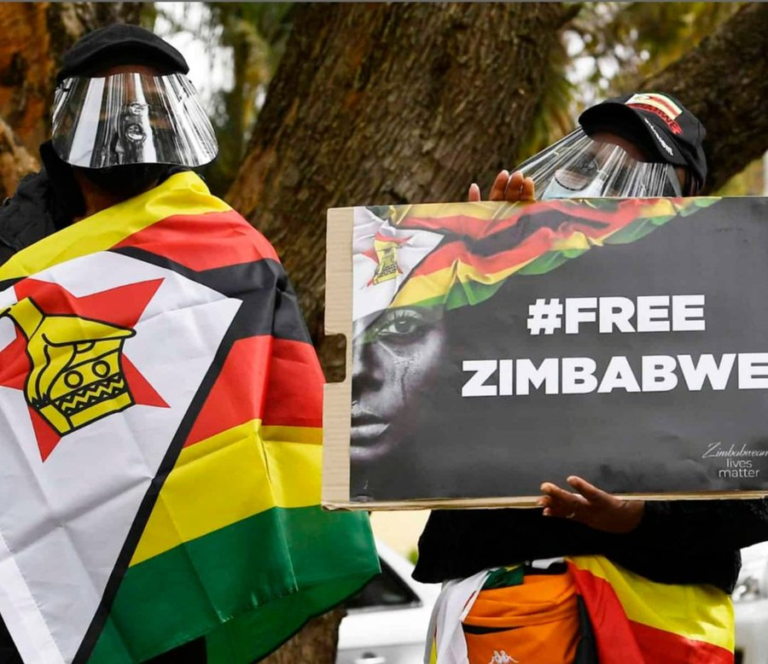
The Zimbabwean government’s decision to deploy soldiers to maintain law and order ahead of the Southern African Development Community summit has sparked alarm both locally and internationally. What is being framed as a move to prevent unrest is, in reality, a chilling demonstration of how far the regime will go to silence dissent and instill fear. The lines between the military and the police have become dangerously blurred, opening the door to increased brutality and unchecked abuse of power. With accountability already rare under ZANU PF rule, this militarization could easily spiral into disaster.
This decision does not come in isolation. It is the latest move in a growing campaign of repression that has intensified since mid-June. More than 160 people have been arrested in a sweeping crackdown that targets opposition members, students, union leaders, journalists, and activists. These are not criminals. They are citizens demanding their rights. Organizations like Amnesty International and Human Rights Watch have condemned the arrests and called for the immediate release of all individuals detained for peaceful activism.
The brutality of this crackdown cannot be overstated. There are verified reports of security forces using tear gas, physically assaulting civilians, and detaining individuals beyond legal limits. Victims have needed hospital treatment, some even requiring surgery due to the beatings. Others have vanished only to reappear after being tortured in custody. These are not isolated incidents. They are part of a calculated campaign to crush any form of resistance.
The arrests began on June 16, when police stormed the private residence of Jameson Timba, a senior figure in the Citizens Coalition for Change. Seventy-eight people were arrested at that meeting. Tear gas filled the air, batons rained down, and blood spilled. The group was charged with attempting to promote public violence. Authorities blatantly ignored the law requiring a court appearance within 48 hours. Seventy-five adults remained detained while only two children were released.
Days later, the Zimbabwe National Students Union became the next target. On June 24, forty-four students, including ZINASU president Emmanuel Sitima, were arrested and fined. Sitima was then re-arrested the following day. On June 27, after President Mnangagwa issued a warning against opposition activity, police quickly arrested peaceful demonstrators outside the Harare Magistrate’s Court. The message was clear. Speaking out would come at a cost.
By July 1, police had interrupted a memorial service for a CCC member and arrested six media personnel from Community Voices Zimbabwe. Even private spaces were no longer safe. Then came one of the most chilling episodes yet. On July 31, four activists were pulled from a plane by state agents. They vanished for nearly eight hours. When found, they had been tortured. One needed urgent medical attention. Their crime was participating in a protest in June. Yet they were charged with disorderly conduct.
The cycle of arrests continued into August. Over 30 more people were detained across the country, including Sitima again and even a sitting member of parliament. On August 8, masked men attempted to break into the offices of the Crisis in Zimbabwe Coalition in Harare. The threat is no longer theoretical. It is immediate and everywhere.
The silence of SADC in the face of these atrocities is disturbing. As Mnangagwa prepares to take over the bloc’s leadership, his record casts a dark shadow over SADC’s credibility on human rights. The upcoming summit in Harare is more than a diplomatic gathering. It is a test of whether regional leaders are prepared to stand for justice or remain complicit in silence. The world is watching. Zimbabweans are watching. This is no time to look away.
About The Author
