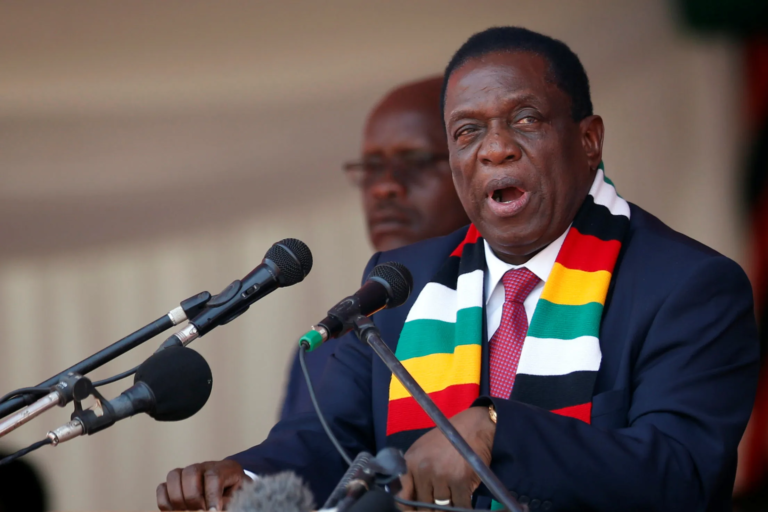
Zimbabwe’s ruling party ZANU PF is in deep turmoil as a bitter power struggle between President Emmerson Mnangagwa and his deputy Vice President Constantino Chiwenga escalates. The once united front that helped topple Robert Mugabe in 2017 is now unraveling at the seams. What began as an alliance of convenience has morphed into an all-out battle for dominance that could spell disaster not just for ZANU PF but for the entire nation.
Tensions between the two men have simmered for years but they are now boiling over. Chiwenga’s faction accuses Mnangagwa of betraying the promises made to the people of Zimbabwe. They claim he has failed to deliver on economic recovery and democratic reforms and instead become increasingly authoritarian. With the economy in shambles and citizens suffering under skyrocketing inflation and a crumbling currency the internal party feud only deepens national despair. The Chiwenga camp believes a new direction is necessary to prevent total collapse and they are not hiding their desire for a leadership change.
At the center of their anger is the belief that Mnangagwa and his close allies have looted the state while millions go hungry. Corruption accusations are mounting and transparency is all but absent. The President’s response has been to deny wrongdoing and blame Zimbabwe’s economic crisis on sanctions and the legacy of Mugabe. But for many these excuses are wearing thin. Basic goods are scarce prices are out of control and public trust in government has hit rock bottom.
One flashpoint in this internal war has been the revival of the District Coordinating Committees. Originally intended to build party support at the grassroots level the DCCs have become battlegrounds for factional control. Mnangagwa loyalists see them as a way to entrench his influence while critics say they are tools of manipulation and intimidation. Allegations of vote rigging violence and harassment have plagued the DCC elections further exposing the rot within the party. Instead of strengthening ZANU PF the DCCs have become symbols of its decline.
Senior party officials are sounding the alarm. Liberation war veterans and long-serving leaders are warning that the factionalism threatens to destroy the party from within. National Political Commissar Mike Bimha recently condemned the divisions and urged unity calling on members to prioritize national development over personal ambition. But these appeals are being ignored. The animosity between the Mnangagwa and Chiwenga camps continues to grow with both sides preparing for a showdown ahead of the upcoming ZANU PF congress in Bulawayo.
The consequences of this internal battle are far reaching. As the party tears itself apart the country’s governance suffers. Policy paralysis sets in and the ability to address urgent social and economic challenges evaporates. Investors are spooked by the uncertainty and the risk of violence increases by the day. Zimbabwe’s history of election related violence is a grim reminder of what can happen when political tension goes unchecked.
The infighting is not just a party issue it is a national crisis. It undermines hopes for a democratic future and pushes the dream of a prosperous Zimbabwe further out of reach. The international community is watching closely and so are the people of Zimbabwe. The choice before ZANU PF is clear. Either resolve the internal strife and begin to genuinely serve the nation or continue on this destructive path that may end in ruin. The window for change is closing fast and if the ruling party cannot get its house in order it risks losing the little legitimacy it has left.
About The Author
